
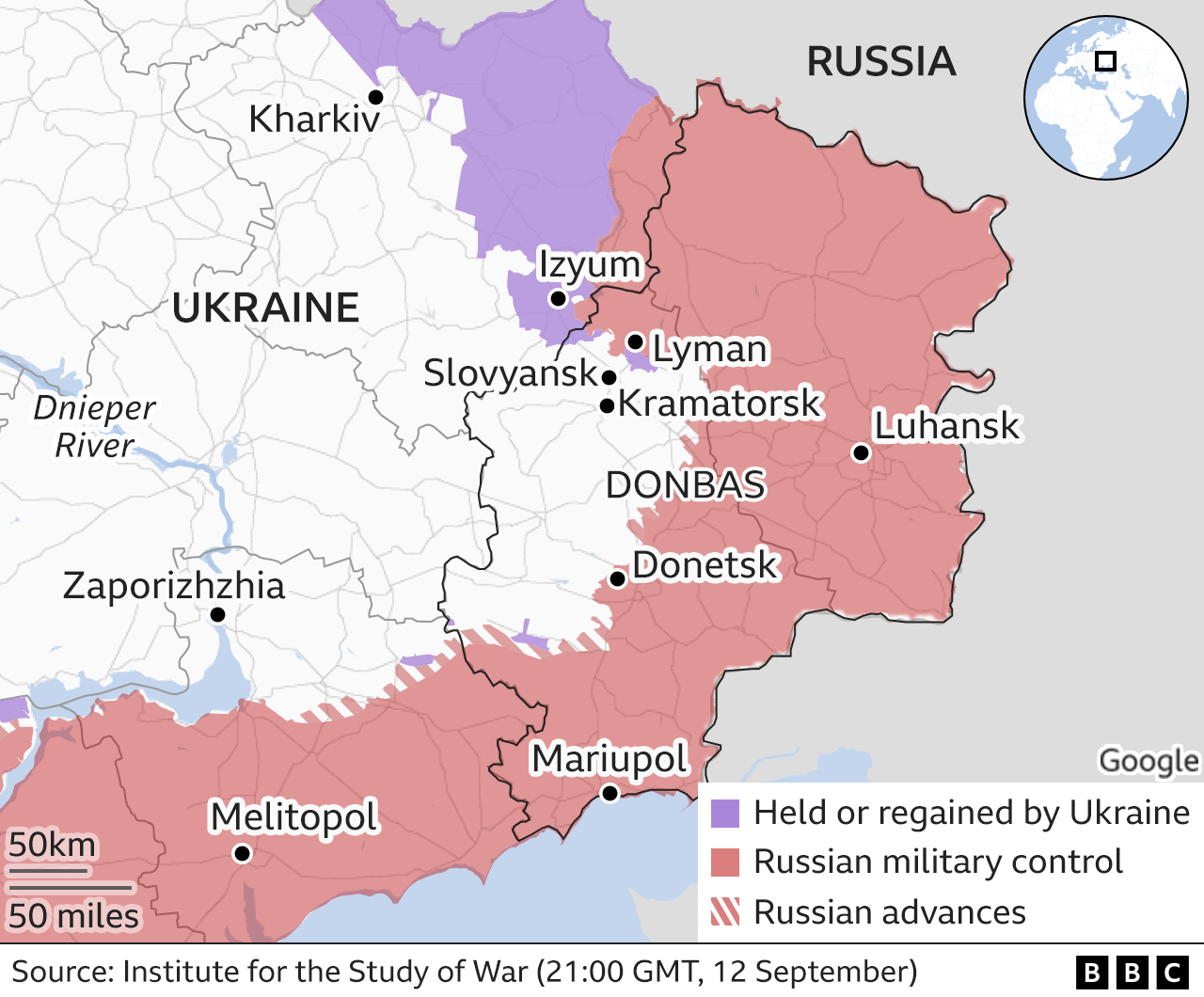
The situation surrounding Crimea has far-reaching implications, particularly regarding the sanctions imposed by various countries, particularly in the West. information on Crimea sanctions https://jurisnotary.com/pgs/crimea-sanctions-what-they-mean-for-international-operations.html provides a comprehensive overview of the sanctions imposed on Crimea and their significance for international relations and business operations.
Background of Crimea Sanctions
The geopolitical landscape of Crimea has dramatically changed since 2014, when Russia annexed the peninsula, a move that was condemned by Ukraine and the international community. In response to the annexation, the United States, the European Union, and several other countries imposed a series of sanctions aimed at isolating Russia economically and politically. The sanctions target not only individuals but also specific sectors of the economy, which include finance, energy, and defense.
Types of Sanctions
Sanctions can be broadly categorized into two types: individual sanctions and sectoral sanctions. Individual sanctions are aimed at high-profile individuals considered complicit in the annexation or in supporting the Russian government’s policies regarding Crimea. These individuals may face asset freezes and travel bans.
Sectoral sanctions, on the other hand, are designed to restrict Russia’s ability to conduct business in certain key areas, which could undermine its economy. For instance, sanctions have limited access to financing for Russian state-owned banks and restricted the export of certain goods and technologies related to oil exploration and production.
Impact on International Relations
The sanctions on Crimea have contributed to a significant deterioration of relations between Russia and Western nations. Diplomatic engagement has decreased, and the rift has led to numerous discussions on security issues relating to Europe. The sanctions are envisioned not only as punitive measures but also as tools to compel the Russian government to reconsider its approach to Crimea and to respect Ukraine’s sovereignty.
Moreover, the sanctions have led to the formation of a more unified stance among Western nations concerning the need to deter future aggression by Russia. This shift is pivotal, considering that the geopolitical landscape in Eastern Europe affects security and stability across NATO member countries and their allies.
Economic Consequences
The economic ramifications of the Crimea sanctions extend beyond Russia, impacting businesses and governments worldwide. Companies that engage in trade with Russia or have interests in Crimea must tread carefully to avoid violations of the sanctions. The implications can be severe, including fines, restrictions on business operations, and long-term reputational damage.
Furthermore, the sanctions have led to the redirection of trade flows and have altered market dynamics, impacting the pricing of goods and services in Europe and beyond. Consumers and businesses alike have felt the sting of increasing prices for energy and raw materials, as sanctions disrupt traditional supply chains.
Legal Framework of the Sanctions
The legal framework for the Crimea sanctions is complex and varies from one jurisdiction to another. For instance, the United States has implemented sanctions under the Office of Foreign Assets Control (OFAC), while the European Union operates under its Common Foreign and Security Policy (CFSP). Each jurisdiction has its specific procedures and guidelines, affecting individuals and organizations differently.
Businesses operating in multiple jurisdictions must maintain a thorough understanding of the sanctions framework to ensure compliance. Ignorance of these regulations is no excuse and can lead to significant legal repercussions.
Sanctions Evasion and Enforcement
Despite the sanctions, there have been instances of evasion, highlighting the challenges of enforcement. Criminal networks have reportedly sought to undermine the sanctions through various means, including falsifying documents, using third-party countries, and exploiting loopholes in the legal framework. The international community collaborates to strengthen enforcement mechanisms, enhancing cooperation between relevant authorities to detect and prevent sanctions evasion.
Future of Crimea Sanctions
The future of the Crimea sanctions remains uncertain, primarily dependent on geopolitical developments. Continuous military tensions in the region and domestic political changes in Russia, the United States, and Europe will inevitably impact the sanctions’ longevity and intensity.
Furthermore, discussions around the effectiveness of these sanctions continue to evolve. Some analysts argue that sanctions have had a limited effect on changing Russia’s behavior, while others maintain that they serve as a critical signal of international disapproval and a necessary measure for maintaining global order.
Conclusion
The sanctions imposed on Crimea illustrate the complexities of modern geopolitics, where economic measures serve as tools for enforcing international norms and values. As the global landscape continues to shift, understanding these sanctions becomes imperative for policymakers, businesses, and individuals engaged in international operations. While the path forward remains fraught with challenges, the continuing discourse surrounding Crimea sanctions reflects ongoing efforts to address one of the most pressing issues in contemporary international relations.