
In an increasingly globalized world, businesses and individuals often find themselves engaging with countries, companies, and individuals from various international backgrounds. This interconnectedness can, unfortunately, lead to unintentional violations of laws designed to protect national security and foreign policy interests. One crucial regulatory framework that businesses must navigate is the sanctions imposed by the Office of Foreign Assets Control (OFAC). OFAC sanction check https://americanflyoutfitters.com/pages/ofac-sanction-check-how-it-works.html process is vital for compliance and risk management.
What is OFAC?
The Office of Foreign Assets Control (OFAC) is an office of the U.S. Department of the Treasury. It administers and enforces economic and trade sanctions based on U.S. foreign policy and national security goals against targeted foreign countries and regimes, terrorists, international narcotics traffickers, and those engaged in activities related to the proliferation of weapons of mass destruction. The goal of these sanctions is to promote national security and foreign policy interests.
Why Are Sanction Checks Important?
Sanction checks are important for several reasons:
- Legal Compliance: Businesses operating in or with the United States must comply with OFAC regulations to avoid heavy penalties, including fines and criminal charges.
- Risk Mitigation: Conducting OFAC checks helps businesses identify and mitigate risks associated with potential dealings with sanctioned entities.
- Reputation Management: Associating with sanctioned individuals or entities can severely damage a company’s reputation and credibility.
- Due Diligence: Regular OFAC checks demonstrate that a business is conducting due diligence, which may be viewed favorably in case of disputes or investigations.
How Do OFAC Sanction Checks Work?
Conducting an OFAC sanction check involves several steps:
- Gathering Information: The first step is to gather relevant information about the entity or individual with whom one plans to conduct business. This includes names, addresses, and identifying numbers.
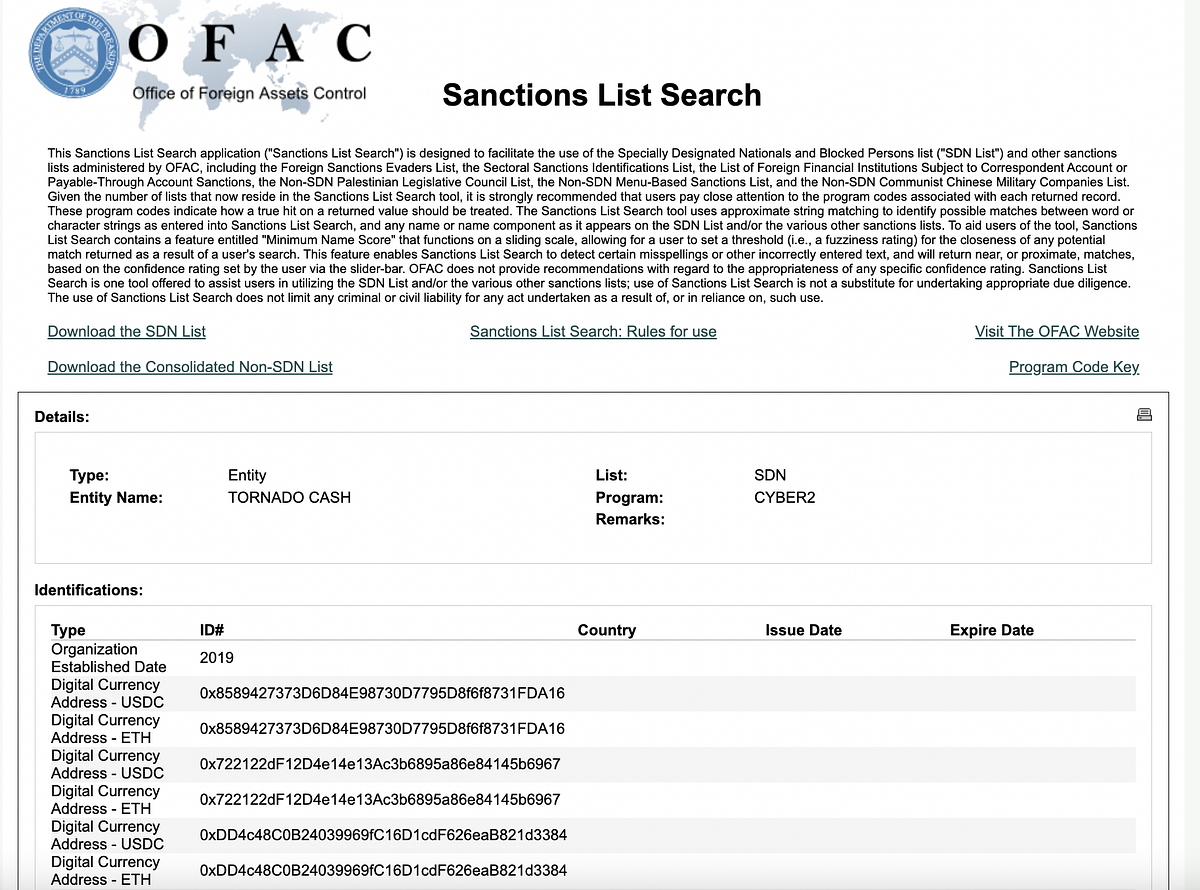
- Consulting the SDN List: The Specially Designated Nationals and Blocked Persons (SDN) list is a key resource for conducting OFAC checks. This list identifies individuals and entities that are subject to sanctions. Businesses can access the SDN list via the OFAC website or through third-party compliance software.
- Running the Names: The gathered information must be screened against the SDN list. Automated tools can be incredibly useful here, as they can quickly match names against the extensive database.
- Evaluating Results: If a match is found on the SDN list, the business must evaluate the nature of the match. It’s critical to determine whether the match is a true positive or a false positive based on additional information.
- Taking Action: Depending on the results, businesses may need to take specific actions. If the match is confirmed, the business must refrain from proceeding with the transaction and may need to report the situation to OFAC.
Types of Sanctions
OFAC enforces several types of sanctions:
- Comprehensive Sanctions: These are broad prohibitions on trade and economic transactions with certain countries, such as North Korea or Iran.
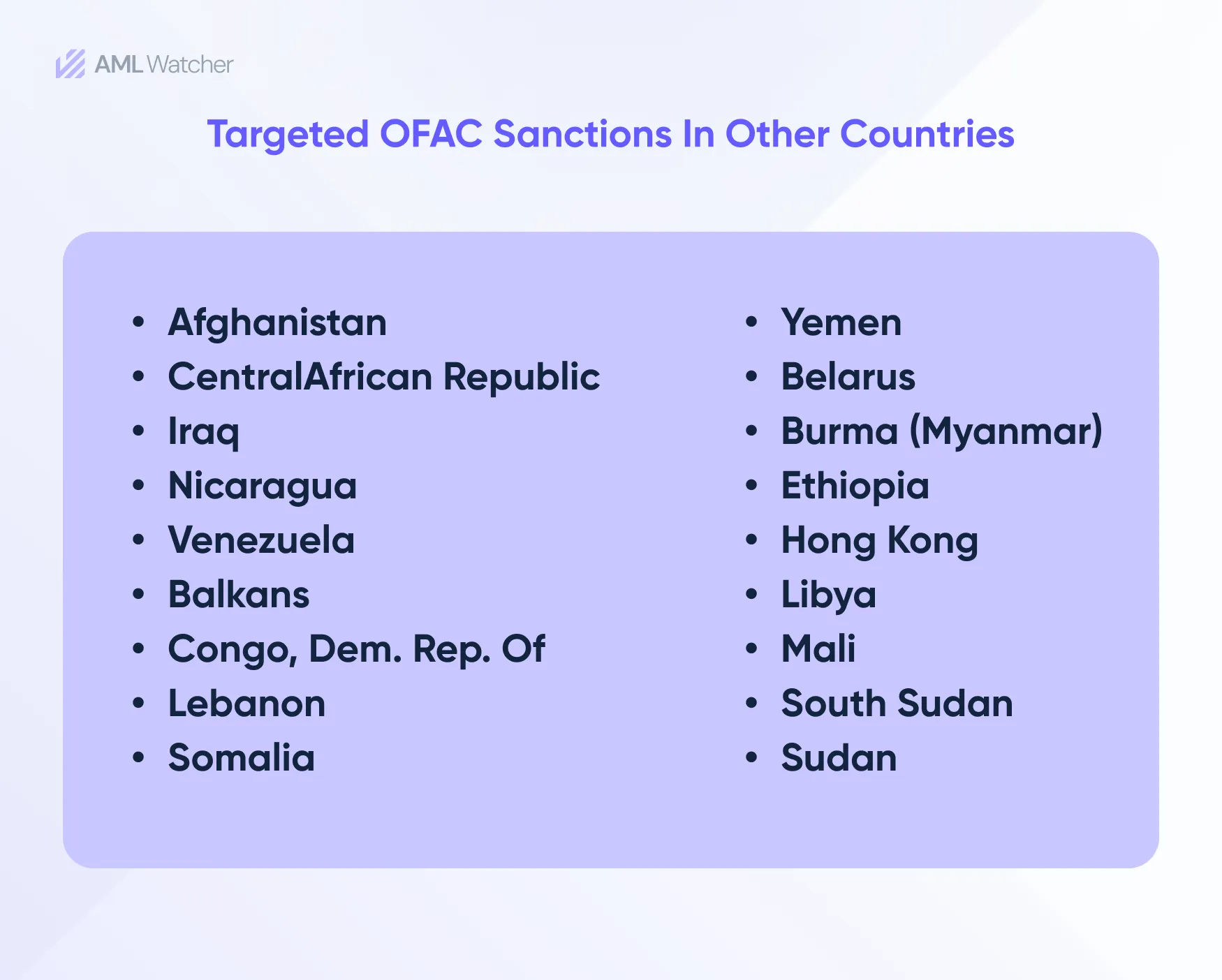
- Targeted Sanctions: These focus on specific individuals or entities rather than entire countries. For example, sanctions may target individuals identified as terrorists or involved in drug trafficking.
- Sectoral Sanctions: These are applied to specific sectors of a country’s economy, such as financial services or energy.
Challenges in Conducting OFAC Sanction Checks
While sanction checks are essential for compliance, there are challenges associated with this process:
- Complexity of Names: Names may differ due to variations in spelling, use of aliases, or transliteration issues, which can complicate the check process.
- Volume of Data: The SDN list is frequently updated, and keeping track of changes can be overwhelming for businesses without dedicated compliance resources.
- False Positives: Automated checks can produce false positives, leading to unnecessary delays or missed opportunities if not carefully evaluated.
Best Practices for OFAC Compliance
To ensure effective OFAC compliance, businesses should consider the following best practices:
- Regular Training: Provide regular training sessions for employees on the importance of OFAC compliance and how to conduct sanction checks effectively.
- Implement Automated Solutions: Utilize compliance software that can facilitate real-time checks against the SDN list and manage ongoing monitoring.
- Create Clear Procedures: Develop clear procedures for conducting OFAC checks, including steps to take when a match is found.
- Maintain Documentation: Keep thorough records of all OFAC checks conducted, including any matches found and actions taken.
Conclusion
Conducting OFAC sanction checks is crucial for businesses engaged in international trade and financial transactions. By understanding the importance, process, and best practices associated with OFAC compliance, companies can mitigate risks, ensure legal compliance, and protect their reputations. With a proactive approach to sanction checks, businesses can navigate the complexities of global operations while adhering to regulatory requirements.