
Gardening is a rewarding hobby that connects us with nature and enhances our surroundings. With the rise of organic practices, many gardeners are turning to sustainable methods that promote health and ecological balance. Embracing sustainable practices, Green Gardens provides expert advice and a rich collection of stunning plant images. Whether you’re a novice or an experienced gardener, exploring organic gardening techniques can transform your gardening experience.
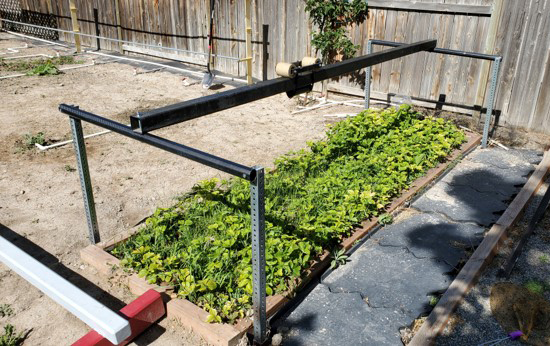
Exploring the Essence of Organic Gardening
Organic gardening focuses on cultivating plants without the use of synthetic chemicals, emphasizing the health of both the gardener and the environment. This approach not only enhances the quality of the soil but also leads to healthier plants and, ultimately, healthier produce. The techniques used in organic gardening aim to work with nature rather than against it, fostering a more sustainable ecosystem. From no-dig gardening to companion planting, the practices of organic gardening are becoming increasingly popular among both hobbyists and those looking to grow their own food.
When executed correctly, organic gardening can lead to a bountiful harvest while minimizing the medical costs associated with chronic conditions linked to pesticide exposure. By nurturing your plants with organic methods, you’re not only growing food but also contributing to a healthier planet.
Getting Started with Organic Gardening
Starting an organic garden can seem daunting, but with a structured approach, it can be an enjoyable process. Follow these steps to establish your organic gardening journey:
- Choose Your Location: Identify a suitable area with ample sunlight and access to water.
- Test and Prepare the Soil: Conduct a soil test to understand its nutrient content, then amend it with organic matter such as compost.
- Select Your Plants: Opt for plants that are well-suited for your climate and soil type, considering herbs, vegetables, and flowers.
- Plan Your Garden Layout: Organize your garden by considering plant height and growth patterns—for example, taller plants can provide shade for shorter ones.
- Implement Sustainable Practices: Utilize techniques like companion planting and crop rotation to promote biodiversity and reduce pests.
- Beginner-friendly steps ensure success from the start.
- Soil preparation enhances plant growth and yield.
- Choosing the right plants increases compatibility with the local environment.
Practical Organic Gardening Techniques
Within the scope of organic gardening, several innovative techniques can help you maximize your garden’s potential. For instance, no-dig gardening eliminates the need for tilling, preserving soil structure and fostering a rich ecosystem of beneficial organisms. By layering organic materials, like compost and mulch, you can create a nutrient-rich environment for your plants.
Companion planting is another effective technique where certain plants are grown together to enhance growth and deter pests. For example, planting marigolds alongside vegetables can repel harmful insects while attracting beneficial pollinators. Furthermore, indoor seed preparation allows you to get a head start on your gardening season, ensuring early blooms and a prolonged harvest.
- No-dig gardening conserves soil health and enhances fertility.
- Companion planting promotes healthy growth and pest management.
- Indoor seed preparation leads to earlier planting and longer growing seasons.
By integrating these methods into your gardening routine, you can foster a thriving garden that is both productive and sustainable, ultimately aligning with the principles of organic gardening.
Key Benefits of Organic Gardening
Organic gardening offers a plethora of advantages that appeal to environmentally conscious gardeners. The benefits extend beyond the garden and impact personal health and local ecosystems. Organic produce is known to be more flavorful and nutrient-dense than conventionally grown alternatives, and avoiding harmful chemicals reduces health risks associated with pesticide exposure.
- Enhances plant health through natural fertilization and pest control.
- Improves soil fertility, fostering a rich habitat for beneficial organisms.
- Contributes to environmental sustainability and biodiversity.
- Reduces overall gardening costs by minimizing the need for chemical inputs.
Adopting organic gardening techniques not only enhances your gardening experience but also empowers you to make a positive impact on your health and the environment.
Building Trust in Sustainable Gardening Practices
Trust is essential when it comes to gardening, particularly in understanding the sourcing of seeds and the methods used to cultivate your plants. By choosing organic practices, you align yourself with a movement that prioritizes natural growth without the reliance on synthetic fertilizers and pesticides. Many organic gardening communities are dedicated to sharing knowledge and fostering collaboration among gardeners.
Additionally, utilizing resources like Green Gardens can provide a wealth of information and support. Engaging with fellow gardeners can enhance your understanding of local plant hardiness zones, helping you select the right plants for your area while reinforcing the communal aspect of gardening.

Why Choose Organic Gardening with Green Gardens
Choosing to embark on an organic gardening journey with Green Gardens equips you with the tools, knowledge, and community support essential for success. With access to a diverse collection of plant photos and expert advice, you can discover the beauty and variety of plants compatible with organic practices.
Engaging with a community that emphasizes sustainable gardening practices not only enhances your gardening skills but also reinforces your commitment to a healthier planet. Start your organic gardening adventure today, and transform your space into a vibrant and sustainable garden that nourishes both body and soul.