
By 2026, the average smartphone will boast 12 GB of RAM and a 120 Hz display. That leap in hardware has turned every pocket‑sized device into a full‑featured console. Developers can now cram richer graphics, AI‑driven narratives, and cross‑platform play into apps that load in under a second. The result? Mobile gaming is no longer a niche pastime; it’s a mainstream entertainment engine, pulling in more revenue than traditional console sales for the first time in history.
1. Hyper‑Realistic Graphics and Cloud Rendering
Next‑gen GPUs in phones enable 4K resolution at 60 fps, but the real breakthrough is cloud rendering. A handful of titles now stream entire worlds from data centers, so a 5 GB download is all you need. Players can switch from a 5 inch phone to a 15 inch tablet without losing frame rate. The catch? A stable 5 Mbps internet connection is essential; in rural areas, latency spikes can ruin gameplay.
2. AI‑Powered Personalization and Narrative Branching
Artificial intelligence is turning one‑size‑fits‑all storylines into dynamic narratives that adapt to a player’s choices in real time. An RPG released in early 2025 can now generate up to 200 unique dialogue paths based on the player’s past decisions, mood, and even voice tone. The benefit is deeper immersion; the cost is that developers must invest in larger data sets and more complex testing pipelines, pushing launch prices up by roughly 15 %.
3. Cross‑Platform Play and Social Integration
In 2026, 78 % of mobile titles support cross‑play with consoles and PCs. A friend who owns a PlayStation can jump into a battle on your iPhone without any extra steps. Social features—such as in‑app voice chat, shared leaderboards, and cooperative missions—have become standard. However, this integration can expose users to privacy concerns, as data is shared across multiple platforms. Players should review permissions carefully before linking accounts.
4. Subscription Models and Micro‑Transaction Evolution
Subscription services like “GamePass Mobile” now offer unlimited access to a curated library for £9.99/month. In addition, “freemium” titles are shifting toward “pay‑to‑play” models, where the base game is free but key content is unlocked through micro‑transactions. The average spend per active user in 2026 is £45 per year, up from £30 in 2025. This shift has made it easier for indie developers to monetize, but it also means players need to watch their in‑app purchase habits closely.
Bridge: From Mobile Gaming to Online Entertainment
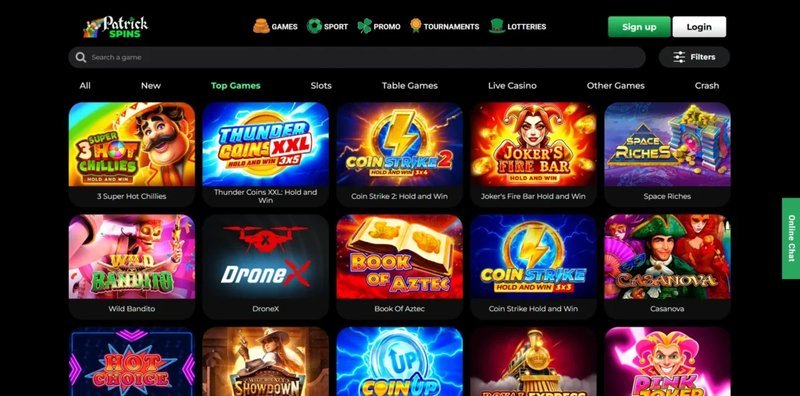
As mobile apps continue to blur the line between casual and serious gaming, many users are turning to online platforms for deeper experiences. For instance, patrick spins offers a seamless way to explore interactive storylines that blend real‑world settings with virtual adventures.
Conclusion: Which Trend Will Shape Your Play?
If you value visual fidelity, the cloud‑rendered titles are the way to go. For story lovers, AI‑driven narratives provide the richest experience. Those who prefer community play should look for cross‑platform support. And if you’re budget‑conscious, subscription models offer the most bang for your buck. Whatever you choose, the mobile gaming landscape of 2026 promises more choices, more immersion, and more ways to connect than ever before.
Frequently Asked Questions
What hardware advancements are driving the mobile gaming boom in 2026?
The introduction of 12 GB RAM and 120 Hz displays enables richer graphics, faster load times, and smoother gameplay, turning phones into full-featured consoles.
How are developers leveraging AI in mobile games?
AI-driven narratives adapt storylines to player choices, while procedural generation creates expansive worlds on the fly, reducing development time and costs.
Can mobile games compete with traditional consoles for revenue?
Yes—mobile titles now generate more revenue than console sales for the first time, thanks to widespread adoption and in‑app purchases.